How To Visit Wae Rebo Village in Flores, Indonesia (Complete Travel Guide)
Why Wae Rebo Village Feels Like a Hidden World
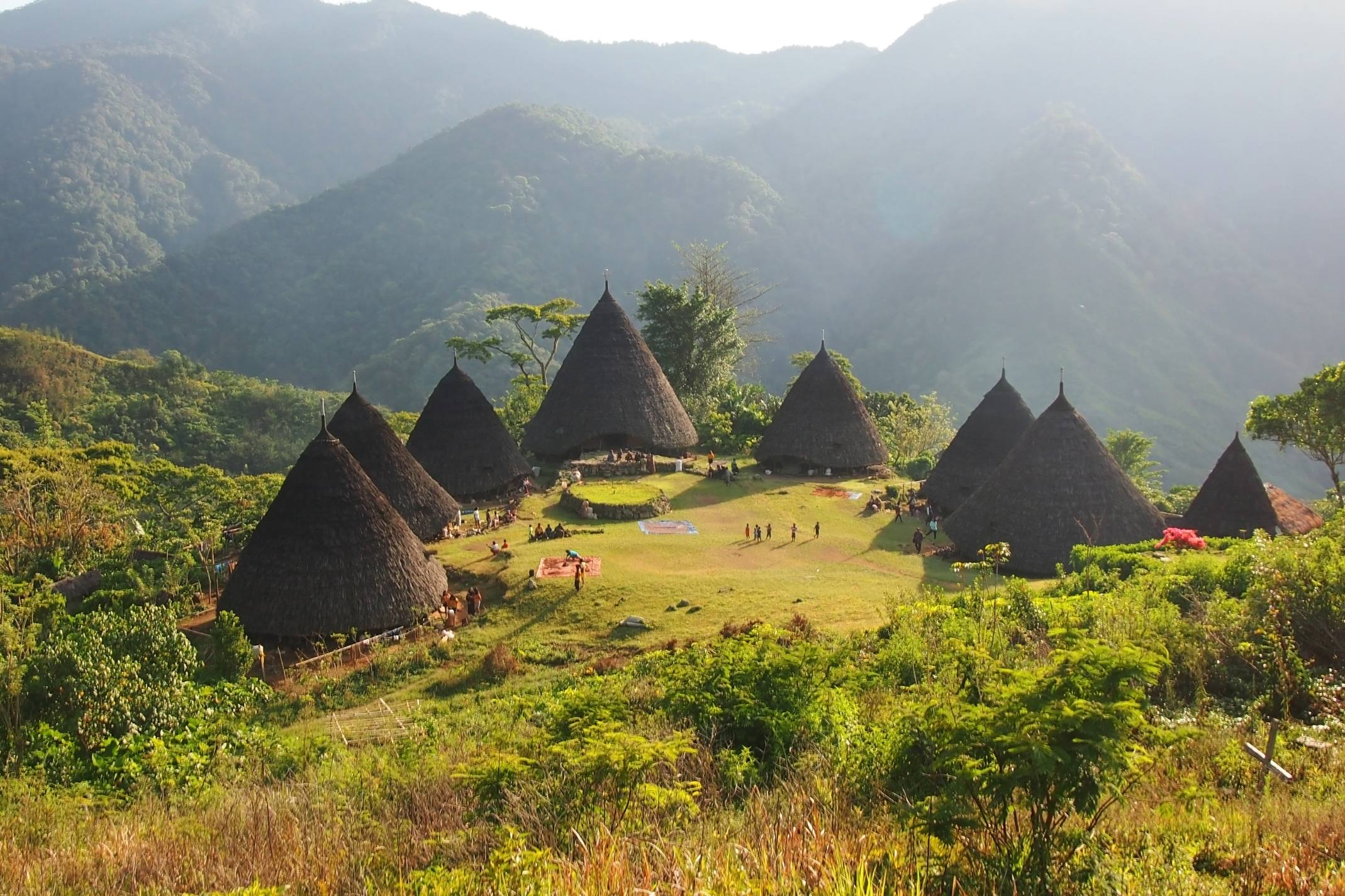
Tucked high in the mountains of Flores, Indonesia, Wae Rebo Village feels less like a destination and more like stepping into a forgotten era. Imagine a cluster of cone-shaped traditional houses, wrapped in mist, surrounded by lush green forests and silence so deep you can actually hear the wind moving through the trees. It’s not the kind of place you just stumble upon—you have to earn your way there, and that’s exactly what makes it so special.
Wae Rebo is often called the “village above the clouds,” and once you arrive, you’ll understand why. The journey itself becomes part of the story. Unlike typical tourist spots where convenience is king, visiting Wae Rebo requires effort, patience, and a willingness to disconnect. But in return, you get something rare: an authentic cultural experience that hasn’t been diluted by mass tourism.
This isn’t just a sightseeing trip. It’s an immersion into the Manggarai culture, where traditions are preserved, and daily life revolves around community and nature. From the moment you arrive, you’re not just a visitor—you’re a guest. And that subtle difference changes everything about how you experience the place.
Where Is Wae Rebo and How Do You Get There?
Wae Rebo is located in the Manggarai Regency of Flores Island, East Nusa Tenggara. Getting there isn’t exactly straightforward, but that’s part of the adventure. Your journey typically starts in Labuan Bajo, the main gateway to Flores and the Komodo National Park.
From Labuan Bajo, you’ll need to travel overland for about 4 to 5 hours to reach Denge Village, the last accessible point by car. The road is a mix of paved sections and winding mountain paths, offering stunning views along the way. Hiring a private driver or joining a guided tour is the most practical option, especially if you’re unfamiliar with the terrain.
Once you reach Denge, the real adventure begins. You’ll embark on a 2 to 3-hour trek through dense जंगल trails, crossing rivers and climbing steadily uphill. It’s not an easy walk, but it’s manageable for anyone with moderate fitness. Think of it as nature’s way of filtering out the uncommitted—only those willing to put in the effort get to experience Wae Rebo.
The Trek: What to Expect on the Way Up
The hike to Wae Rebo is more than just a physical journey—it’s a mental reset. As you leave Denge behind, the noise of modern life fades, replaced by the sounds of birds, rustling leaves, and your own footsteps. The trail winds through tropical forest, occasionally opening up to reveal breathtaking views of the valley below.
You’ll pass small streams where you can cool off and rest points where guides often share stories about the area. The path can get muddy, especially during the rainy season, so proper footwear is essential. A good pair of hiking shoes can make the difference between an enjoyable trek and a slippery struggle.
What makes the hike memorable isn’t just the scenery—it’s the anticipation. With every step, you know you’re getting closer to something extraordinary. And then, almost suddenly, the forest clears, and there it is: Wae Rebo, sitting quietly in the mountains like a secret waiting to be discovered.
First Impressions: Arriving at Wae Rebo Village
Arriving in Wae Rebo feels surreal. The village consists of seven traditional cone-shaped houses, known as Mbaru Niang, arranged in a circular formation. Each house is built entirely from natural materials, reflecting a deep connection to the environment.
Before you can explore, there’s an important ritual you must participate in: the welcome ceremony. Visitors are required to report to the village chief and offer a small donation as a sign of respect. This isn’t just a formality—it’s a meaningful tradition that acknowledges your presence and integrates you into the community, even if only temporarily.
As you sit inside one of the houses during the ceremony, you’ll notice the warmth—both literal and emotional. A small fire burns in the center, and the atmosphere feels intimate and welcoming. It’s a moment that sets the tone for your entire stay.
Staying Overnight: A Unique Cultural Experience
Most visitors choose to stay overnight, and honestly, it’s the best way to experience Wae Rebo. Sleeping inside a traditional house, under a thatched roof, surrounded by locals and fellow travelers, is something you won’t find anywhere else.
The accommodations are simple but comfortable. You’ll be given a mat, blanket, and pillow, and meals are shared communally. Food is typically local and hearty—think rice, vegetables, and sometimes chicken. It’s not about luxury; it’s about authenticity.
What truly makes the overnight stay special is the atmosphere. As night falls, the village becomes incredibly quiet. With no artificial lights, the sky transforms into a canvas of stars. It’s one of those rare moments where you feel completely disconnected from the modern world—and surprisingly, that feels incredibly refreshing.
Best Time to Visit Wae Rebo
Timing your visit can significantly impact your experience. The best time to visit Wae Rebo is during the dry season (April to October). During these months, the trekking conditions are more favorable, and the views are clearer.
The rainy season, from November to March, brings lush greenery but also slippery trails and frequent downpours. While it’s still possible to visit, the journey becomes more challenging and less predictable.
Here’s a quick breakdown:
| Season | Conditions | Recommendation |
|---|---|---|
| Dry Season | Clear skies, easier trekking | Highly recommended |
| Rainy Season | Muddy trails, heavy rain | For experienced travelers |
Choosing the right time ensures you spend more time enjoying the experience and less time dealing with logistical challenges.
What to Pack for Your Trip
Packing smart is essential for a smooth trip to Wae Rebo. Since you’ll be trekking and staying in a remote village, you need to be prepared for both physical activity and basic living conditions.
Here are a few essentials:
- Comfortable hiking shoes
- Lightweight clothing and a jacket
- Raincoat (just in case)
- Flashlight or headlamp
- Personal toiletries
- Snacks and water
Keep your bag light but practical. You’ll be carrying it during the trek, so every extra item matters.
Respecting Local Culture and Traditions
Wae Rebo isn’t just a tourist attraction—it’s a living village with its own customs and traditions. Respect is key. Dress modestly, follow the guidance of your hosts, and always ask before taking photos of people.
Participating in local customs, even in small ways, shows appreciation and helps preserve the village’s cultural integrity. Remember, you’re not just observing—you’re being welcomed into someone’s home.
Conclusion: Is Wae Rebo Worth the Effort?
Absolutely. Visiting Wae Rebo isn’t the easiest trip you’ll ever take, but it might just be one of the most meaningful. It’s a place that challenges you physically, rewards you emotionally, and stays with you long after you leave.
In a world where travel often feels rushed and commercialized, Wae Rebo offers something different—a chance to slow down, connect, and experience life from a completely new perspective. And sometimes, that’s exactly what we need.
Leave a Reply