Socotra Island Travel Guide 2026: The World’s Most Unique Destination
Introduction
Imagine stepping onto an island that looks like it belongs on another planet. Giant umbrella-shaped trees rise from rocky plateaus, crystal-clear waters stretch endlessly along untouched coastlines, and rare species thrive in landscapes found nowhere else on Earth. Welcome to Socotra Island, one of the world’s most extraordinary travel destinations.
Located in the Arabian Sea, Socotra is often called the “Galápagos of the Indian Ocean” because of its incredible biodiversity and high number of endemic species. The island has become increasingly popular among adventurous travelers, photographers, nature lovers, and eco-tourists seeking experiences beyond conventional tourism. As travel interest continues to grow in 2026, Socotra remains a rare destination where visitors can witness nature in its purest form.
This comprehensive guide covers everything you need to know about visiting Socotra Island in 2026, including attractions, transportation, accommodation, culture, wildlife, travel tips, and why this UNESCO World Heritage Site deserves a place on your travel bucket list.
Where Is Socotra Island?
Socotra Island belongs to Yemen and lies approximately 380 kilometers south of the Arabian Peninsula. Despite being politically associated with Yemen, the island feels geographically and ecologically separate from the mainland. Its isolation over millions of years has allowed unique plants and animals to evolve independently, creating one of the most fascinating ecosystems on the planet.
The Socotra Archipelago consists of four islands, with Socotra being the largest and most visited. Surrounded by turquoise waters and dramatic coastlines, the island covers roughly 3,800 square kilometers and features mountains, caves, deserts, lagoons, and pristine beaches.
For travelers seeking destinations that remain largely untouched by mass tourism, Socotra offers a rare opportunity to explore landscapes that have changed little over centuries.
Why Socotra Is the World’s Most Unique Destination
What makes Socotra different from every other island in the world? The answer lies in its extraordinary biodiversity. Scientists estimate that nearly one-third of the island’s plant species are found nowhere else on Earth.
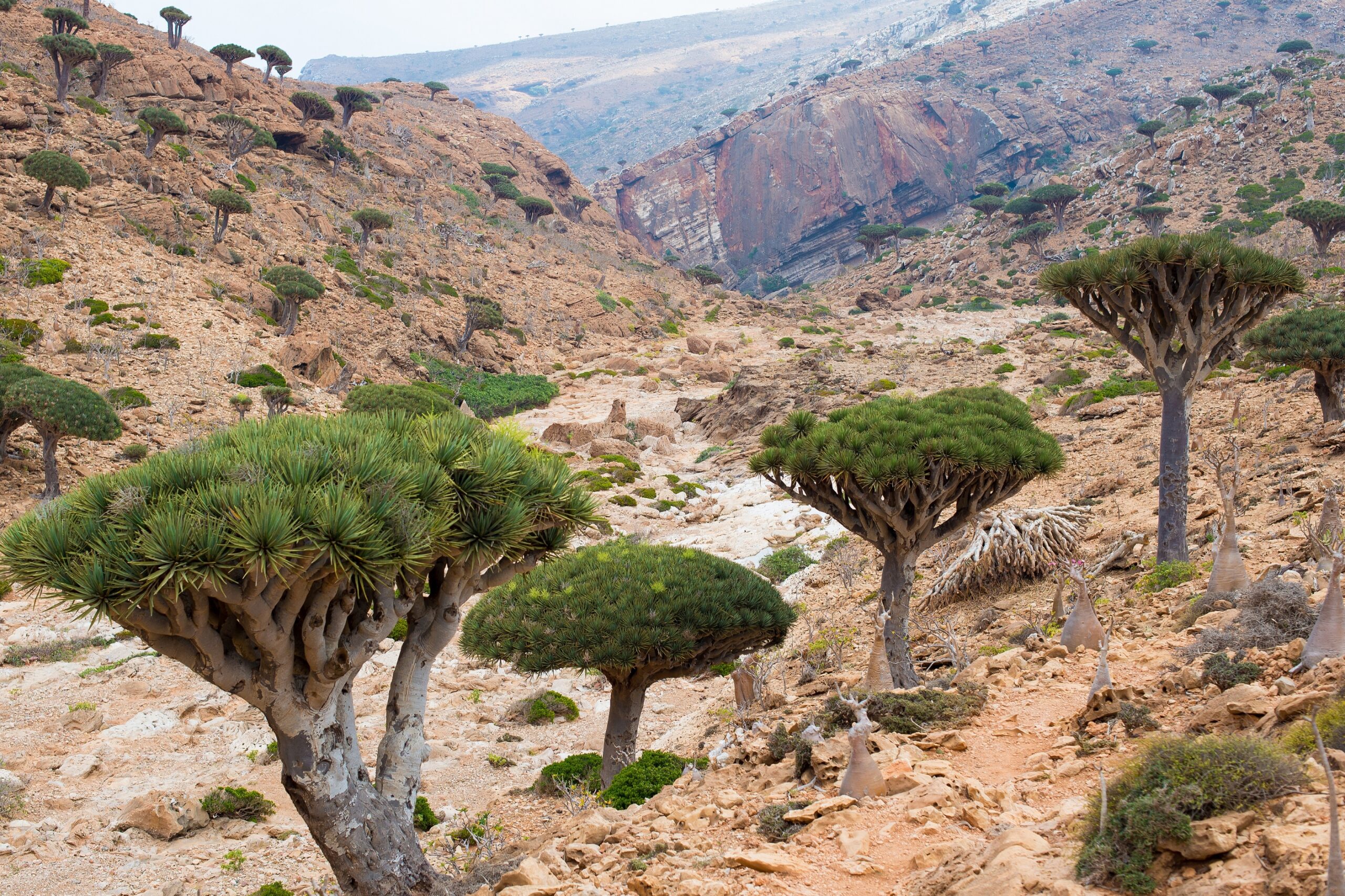
The most famous symbol of Socotra is the Dragon Blood Tree. Its unusual mushroom-shaped canopy creates an almost alien appearance. The tree produces a red resin historically used for medicine, dyes, and incense, giving rise to its legendary name.
Beyond the Dragon Blood Tree, visitors encounter bottle trees, desert roses, rare reptiles, endemic birds, and marine life thriving in protected waters. Walking through Socotra often feels like exploring a natural laboratory where evolution has followed its own path for millions of years.
UNESCO recognized this ecological significance by designating the Socotra Archipelago as a World Heritage Site, highlighting its global importance for biodiversity conservation.
The History and Culture of Socotra
While nature receives most of the attention, Socotra also possesses a fascinating cultural heritage. For centuries, the island served as an important stop along ancient maritime trade routes connecting Africa, Arabia, and Asia.
The local population has developed a distinct identity shaped by isolation and adaptation to the island’s rugged environment. Many residents speak Socotri, an ancient Semitic language that differs significantly from Arabic and reflects the island’s unique history.
Traditional livelihoods continue to play an important role in everyday life. Fishing, livestock herding, and small-scale agriculture remain common across many communities. Visitors often discover that the warmth and hospitality of Socotra’s people are just as memorable as the island’s landscapes.
Modern influences are gradually increasing, but many villages still maintain customs and lifestyles that have been preserved for generations.
Best Time to Visit Socotra in 2026
Timing is essential when planning a trip to Socotra. The island experiences two distinct monsoon seasons that can significantly impact travel conditions.
The best period to visit is generally from October through April. During these months, temperatures are comfortable, skies are clearer, and outdoor exploration becomes much easier. Hiking, camping, swimming, and photography are particularly enjoyable during this season.
From May to September, strong monsoon winds affect the island. Certain areas become difficult to access, and sea conditions can be rough. Many tourism operators reduce activity during these months due to weather challenges.
For travelers hoping to experience Socotra’s iconic landscapes under ideal conditions, winter and early spring remain the preferred seasons.
How to Get to Socotra Island in 2026
Reaching Socotra requires more planning than visiting mainstream tourist destinations. Direct international connections remain limited, which helps preserve the island’s remote character.
Most visitors arrive through organized tours that include flights, accommodations, transportation, permits, and local guides. Travel arrangements can change depending on regional conditions, so travelers should always verify the latest information with authorized operators before booking.
The island’s main gateway is Socotra Airport, located near the capital city of Hadibu. Upon arrival, visitors quickly realize they have entered a destination unlike any other. There are no crowded resorts, massive cruise terminals, or endless commercial developments. Instead, nature immediately takes center stage.
This sense of remoteness is one of Socotra’s greatest attractions.
Dragon Blood Tree Forests: The Icon of Socotra
No visit to Socotra would be complete without seeing the famous Dragon Blood Tree forests. The most spectacular concentrations can be found on the Dixam Plateau, where hundreds of these extraordinary trees create surreal landscapes that resemble scenes from science fiction films.
The umbrella-like shape of the trees helps collect moisture from fog and reduces water loss in the island’s arid climate. Their distinctive appearance has made them one of the most photographed natural wonders in the world.
Standing among these ancient trees is an unforgettable experience. The silence, unusual shapes, and dramatic mountain scenery create a feeling that few destinations can match.
Photographers often visit during sunrise and sunset when golden light transforms the landscape into a dreamlike spectacle.
Exploring Detwah Lagoon
One of Socotra’s most breathtaking coastal attractions is Detwah Lagoon, located on the island’s western side. This protected marine area combines white sand beaches, shallow turquoise waters, and dramatic rock formations.
The lagoon serves as an important habitat for various marine species, including rays, fish, crabs, and seabirds. Its calm waters create ideal conditions for swimming, relaxing, and wildlife observation.
Unlike crowded tropical beaches elsewhere in the world, Detwah often feels completely untouched. Visitors can spend hours walking along the shoreline without encountering large crowds.
The contrast between the vivid blue water and surrounding desert-like terrain makes Detwah one of Socotra’s most visually stunning locations.
Homhil Protected Area
For travelers interested in hiking and biodiversity, Homhil Protected Area offers one of the island’s most rewarding adventures.
The region contains dense populations of Dragon Blood Trees, frankincense trees, and rare endemic plants. Hiking trails wind through rocky landscapes and elevated viewpoints overlooking the Arabian Sea.
One of Homhil’s highlights is its natural infinity pool. Perched high above the coastline, the pool provides spectacular panoramic views that attract photographers and nature enthusiasts from around the world.
The journey through Homhil showcases the incredible ecological diversity that makes Socotra so special.
Arher Sand Dunes and Freshwater Springs
Socotra constantly surprises visitors with unexpected landscapes. One of the best examples is Arher, where towering sand dunes rise dramatically beside the ocean.
Some dunes reach heights exceeding 150 meters, creating an impressive meeting point between desert and sea. Adventurous travelers often climb the dunes to enjoy sweeping views of the coastline.
At the base of the dunes, freshwater springs emerge from the ground, providing a remarkable contrast to the surrounding environment. This combination of mountains, sand, freshwater, and ocean creates one of the most unique natural settings anywhere on Earth.
Camping under the stars at Arher remains a favorite experience among visitors.
Wildlife and Biodiversity
Socotra’s biodiversity is one of its greatest treasures. Scientists have documented hundreds of endemic species that evolved in isolation over millions of years.
Biodiversity Highlights
| Category | Approximate Endemism |
|---|---|
| Plant Species | Over 35% |
| Reptile Species | More than 90% |
| Land Snails | Around 95% |
| Bird Species | Numerous endemic and regional specialties |
Birdwatchers can spot species such as the Socotra starling, Socotra sunbird, and Socotra bunting. Reptile enthusiasts will discover unique geckos and lizards adapted to the island’s harsh environment.
The surrounding marine ecosystem is equally impressive, featuring coral reefs, dolphins, turtles, and diverse fish populations.
For nature lovers, Socotra represents one of the last great frontiers of biodiversity exploration.
The Beaches of Socotra
Socotra’s beaches rank among the most beautiful and least crowded in the world. Unlike popular tropical destinations filled with resorts and commercial activities, Socotra’s coastline remains largely untouched.
White sand stretches for kilometers without interruption. Crystal-clear water provides excellent conditions for swimming and snorkeling. Many beaches feel entirely private, allowing visitors to connect with nature without distractions.
Popular beach locations include:
- Qalansiyah Beach
- Shoab Beach
- Detwah Beach
- Arher Coastline
- Aomak Beach
The sense of isolation and tranquility found along these shores is increasingly rare in modern travel.
Accommodation and Camping
Tourism infrastructure on Socotra remains intentionally modest. Visitors should not expect luxury hotel chains or large resort complexes.
Most travelers stay in simple guesthouses, eco-lodges, or organized campsites. Many guided tours include camping experiences that allow guests to sleep under the stars surrounded by spectacular natural scenery.
While accommodations may be basic compared to major tourist destinations, they provide authentic experiences that align with the island’s adventurous spirit.
The absence of large-scale development is actually one of Socotra’s greatest strengths, preserving its unique character and environmental integrity.
Sustainable Tourism in Socotra
As interest in Socotra continues to grow, sustainable tourism has become increasingly important. The island’s fragile ecosystems require careful protection to ensure future generations can enjoy its natural wonders.
Visitors are encouraged to follow responsible travel practices:
- Respect wildlife and natural habitats.
- Avoid leaving waste behind.
- Support local communities and businesses.
- Follow designated trails and protected area regulations.
- Use environmentally responsible tour operators.
Every traveler plays a role in preserving Socotra’s remarkable biodiversity.
Conclusion
Socotra Island is not simply another tropical destination—it is one of the most extraordinary places on Earth. Its alien-like landscapes, rare wildlife, pristine beaches, and rich cultural heritage create an experience unlike any other travel destination in 2026.
Whether you are hiking through Dragon Blood Tree forests, watching sunsets over untouched lagoons, climbing massive sand dunes, or discovering species found nowhere else on the planet, Socotra offers moments that stay with you long after your journey ends.
In a world where many destinations have become crowded and commercialized, Socotra remains refreshingly authentic. For travelers seeking adventure, wonder, and genuine connection with nature, this remarkable island stands as one of the last truly unique frontiers waiting to be explored.
FAQs
1. Is Socotra Island safe for tourists in 2026?
Most visitors travel through organized tours that provide local guidance, transportation, and logistical support. Travelers should always check current travel advisories and work with reputable operators.
2. Why is Socotra called the Galápagos of the Indian Ocean?
The island contains an exceptionally high number of endemic species that evolved in isolation, similar to the famous Galápagos Islands.
3. Can you visit Socotra independently?
Independent travel can be challenging due to limited infrastructure and logistical requirements. Most visitors choose guided tours for convenience and access.
4. What is the most famous attraction on Socotra?
The Dragon Blood Tree forests are considered the island’s most iconic attraction and symbol.
5. How many days should I spend on Socotra?
A stay of 7 to 10 days is ideal for exploring major attractions, beaches, protected areas, and cultural sites without rushing.
Leave a Reply