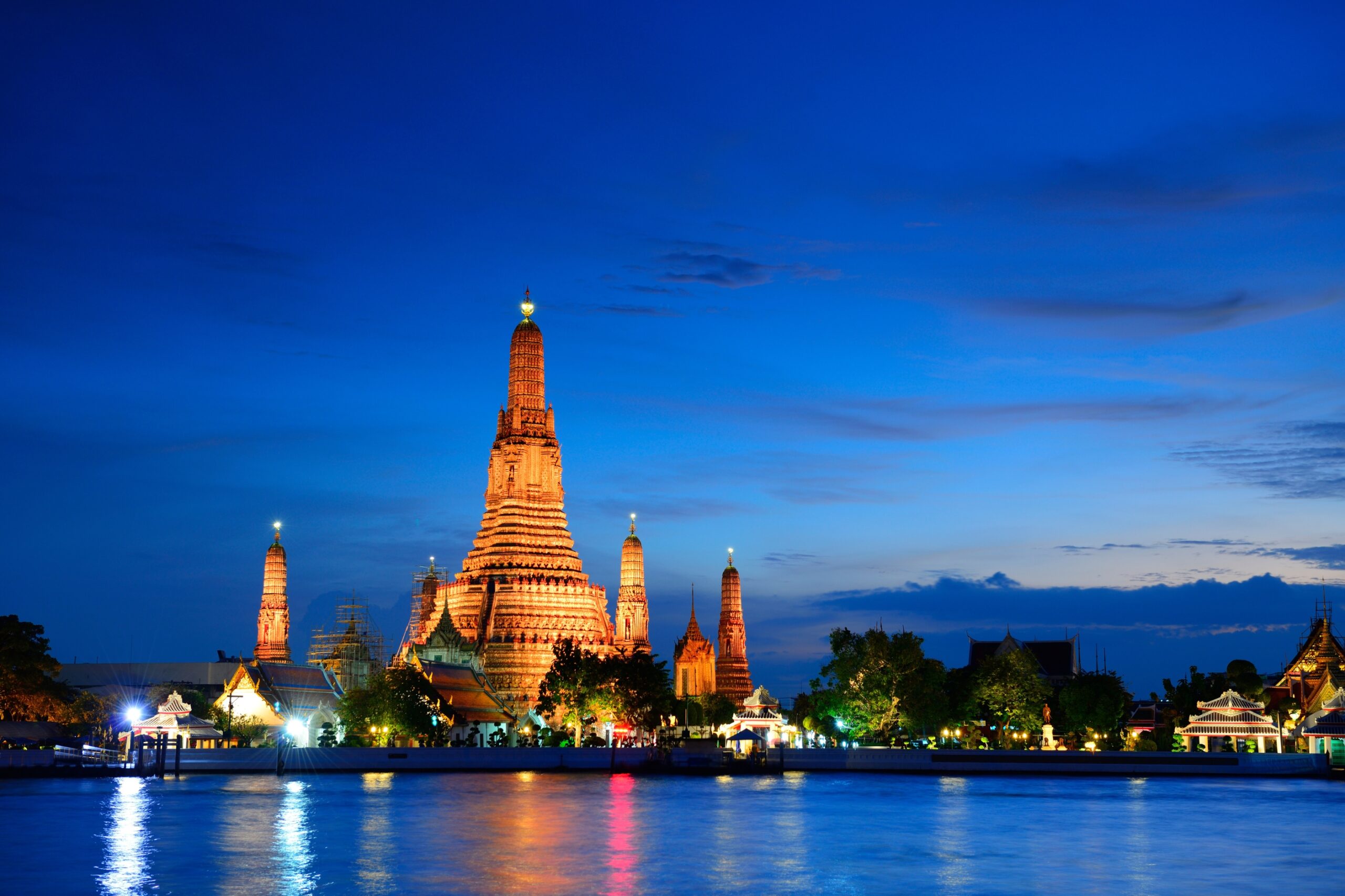

Digital Nomad Guide to Thailand: Best Cities, Costs, and Visa Options
Thailand has firmly established itself as one of the world’s top destinations for digital nomads. With affordable living costs, modern infrastructure, reliable internet, incredible food, and vibrant international communities, the country attracts remote workers from every corner of the globe. Whether you’re a freelance writer, software developer, entrepreneur, designer, online teacher, or remote employee, Thailand offers a unique blend of productivity and adventure that is difficult to match.
From the bustling streets of Bangkok to the relaxed mountain atmosphere of Chiang Mai and the tropical beaches of Phuket and Koh Samui, Thailand provides options for every type of remote worker. The country’s growing coworking scene, excellent transportation network, and welcoming culture make it an ideal base for both short-term stays and long-term living.
This comprehensive digital nomad guide explores the best cities in Thailand, estimated living costs, visa options, internet quality, coworking spaces, healthcare, and practical tips for making the most of your remote work journey in the Land of Smiles.
Why Thailand Is a Top Destination for Digital Nomads
Thailand consistently ranks among the best countries for remote workers because it combines affordability with quality of life. Unlike many Western cities where housing and daily expenses can be overwhelming, Thailand allows digital nomads to enjoy a comfortable lifestyle while keeping costs manageable.
The country offers modern amenities, excellent healthcare, diverse accommodation options, and an abundance of cafés and coworking spaces designed for remote professionals. Fast internet is widely available, and mobile data plans are inexpensive and reliable.
Another major advantage is Thailand’s variety. You can spend your mornings working in a modern coworking hub, your afternoons exploring ancient temples or beaches, and your evenings enjoying world-class street food or networking events. This balance between work and lifestyle is a key reason why thousands of digital nomads choose Thailand every year.
Best Cities in Thailand for Digital Nomads
Chiang Mai: The Digital Nomad Capital of Thailand
Chiang Mai has long been considered the digital nomad capital of Southeast Asia. Located in northern Thailand, the city offers a slower pace of life, lower living costs, and a strong community of remote workers.
The city is famous for its affordable apartments, coworking spaces, and cafés with reliable Wi-Fi. Digital nomads can rent modern accommodation at a fraction of the cost found in major Western cities. The surrounding mountains, waterfalls, and temples provide countless opportunities for weekend adventures.
Chiang Mai also hosts numerous networking events, workshops, and entrepreneurial meetups. For newcomers to the digital nomad lifestyle, it remains one of the easiest places in the world to build connections and find support from like-minded professionals.
Bangkok: Thailand’s Business and Technology Hub
Bangkok is Thailand’s largest city and economic center. For digital nomads who thrive in fast-paced urban environments, Bangkok offers endless opportunities.
The city boasts world-class coworking spaces, modern public transportation, international restaurants, luxury shopping centers, and vibrant nightlife. High-speed internet is widely available, making it suitable for professionals who require stable connectivity for video calls, software development, and content creation.
Although living costs are higher than in Chiang Mai, Bangkok still offers excellent value compared to cities such as London, New York, or Singapore. The city is particularly attractive for entrepreneurs and remote workers seeking networking opportunities with startups, investors, and multinational companies.
Phuket: Island Living with Modern Convenience
Phuket combines tropical island life with modern infrastructure. Digital nomads who want beaches, ocean views, and outdoor activities often choose Phuket as their base.
The island has experienced significant growth in coworking spaces and remote work communities. Areas such as Rawai, Kata, and Patong attract freelancers and entrepreneurs looking for a balance between productivity and leisure.
Living costs are generally higher than in Chiang Mai but can still be affordable depending on accommodation choices. Phuket is ideal for remote workers who enjoy water sports, island hopping, and outdoor adventures.
Koh Samui: Tropical Paradise for Remote Professionals
Koh Samui offers a more relaxed atmosphere compared to Phuket. Surrounded by beautiful beaches and lush landscapes, the island has become increasingly popular among digital nomads seeking tranquility.
The island features a growing number of coworking spaces, beachfront cafés, and wellness centers. Many remote workers appreciate the slower pace of life, which can help reduce stress and improve work-life balance.
Accommodation ranges from budget apartments to luxury villas, making Koh Samui suitable for different income levels.
Pattaya: An Emerging Digital Nomad Destination
Traditionally known for tourism and nightlife, Pattaya has gradually evolved into a more diverse destination for remote workers. Improved infrastructure, affordable housing, and proximity to Bangkok have increased its appeal.
Many digital nomads choose Pattaya because it offers beach access, lower living costs than Bangkok, and a growing number of coworking spaces. The city also provides convenient transportation links to Thailand’s capital and international airports.
Cost of Living in Thailand for Digital Nomads
One of Thailand’s strongest advantages is affordability. The amount you spend will depend on your lifestyle, accommodation preferences, and chosen city.
Estimated Monthly Costs
| Expense Category | Budget Lifestyle | Mid-Range Lifestyle | Premium Lifestyle |
|---|---|---|---|
| Accommodation | $250 – $500 | $600 – $1,200 | $1,800+ |
| Food & Dining | $150 – $350 | $400 – $700 | $900+ |
| Transportation | $30 – $100 | $100 – $250 | $400+ |
| Coworking Space | $70 – $200 | $150 – $300 | $400+ |
| Entertainment | $100 – $300 | $300 – $700 | $1,000+ |
| Utilities & Internet | $40 – $100 | $70 – $150 | $200+ |
| Total Monthly Cost | $640 – $1,550 | $1,620 – $3,300 | $4,700+ |
Many digital nomads live comfortably in Thailand on between $1,200 and $2,500 per month. Those seeking luxury accommodations and premium experiences can expect higher expenses.
Accommodation Options
Thailand offers a wide variety of housing options, from budget-friendly apartments to luxury condominiums and private villas.
Monthly rentals are common and usually provide better value than short-term bookings. In Chiang Mai, a modern apartment can often be rented for a relatively low monthly cost, while beachfront properties in Phuket and Koh Samui typically command higher prices.
Popular platforms for finding accommodation include Airbnb, Facebook housing groups, local property websites, and serviced apartment providers. Many landlords offer discounts for long-term tenants, making extended stays more economical.
Internet and Connectivity
Reliable internet is essential for digital nomads, and Thailand generally performs well in this area. Major cities and tourist destinations have extensive fiber-optic networks and widespread mobile coverage.
Average internet speeds are sufficient for video conferencing, cloud-based work, online teaching, content creation, and software development. Coworking spaces typically provide high-speed connections with backup systems to minimize disruptions.
Thailand’s leading mobile providers include:
- AIS
- TrueMove H
- DTAC
Prepaid SIM cards are affordable and offer generous data allowances. Many remote workers use mobile hotspots as backup internet solutions when traveling.
Best Coworking Spaces in Thailand
Coworking spaces have become an important part of Thailand’s digital nomad ecosystem. They provide professional work environments, networking opportunities, and access to business resources.
Punspace (Chiang Mai)
One of Thailand’s most famous coworking brands, Punspace has served the digital nomad community for many years. It offers reliable internet, comfortable workstations, and a collaborative atmosphere.
Hubba Thailand (Bangkok)
Hubba is one of Bangkok’s pioneering coworking spaces and remains popular among entrepreneurs, startups, and remote professionals.
The Great Room (Bangkok)
Known for its premium facilities and professional environment, The Great Room attracts executives, consultants, and business owners.
Garage Society (Bangkok)
This coworking space provides modern facilities, networking events, and flexible membership plans suitable for freelancers and remote teams.
Visa Options for Digital Nomads in Thailand
Understanding visa requirements is one of the most important aspects of planning a stay in Thailand.
Tourist Visa
Many travelers initially enter Thailand using a tourist visa or visa exemption program, depending on their nationality. These options generally allow short-term stays and are suitable for exploratory visits.
Education Visa
Some digital nomads choose education visas by enrolling in approved language schools or educational programs. This option may permit longer stays while studying.
Long-Term Resident (LTR) Visa
Thailand has introduced long-term visa programs aimed at attracting highly skilled professionals, remote workers, investors, and wealthy individuals. Eligibility requirements vary based on income, employment, and qualifications.
Business and Work Visas
Individuals employed by Thai companies or conducting certain business activities may need specific work permits and business visas. Professional legal advice is recommended when considering these options.
Visa regulations can change over time, so travelers should always verify the latest requirements through official Thai immigration sources before making plans.
Healthcare and Medical Services
Thailand is widely recognized for its high-quality healthcare system. Major cities offer excellent private hospitals with internationally trained doctors and modern medical equipment.
Popular healthcare facilities include:
- Bumrungrad International Hospital
- Bangkok Hospital
- Samitivej Hospital
- Chiang Mai Ram Hospital
Medical costs are often significantly lower than in many Western countries while maintaining high standards of care. Many digital nomads purchase international health insurance to ensure access to comprehensive medical services.
Food and Lifestyle
Thailand’s food culture is one of the country’s biggest attractions. Street food stalls, local restaurants, and international dining establishments offer incredible variety and value.
Popular Thai dishes include:
- Pad Thai
- Green Curry
- Tom Yum Soup
- Som Tam
- Mango Sticky Rice
Beyond food, Thailand offers endless opportunities for recreation. Remote workers can explore national parks, islands, temples, markets, waterfalls, and cultural festivals. Activities such as scuba diving, hiking, Muay Thai training, yoga, and island hopping are easily accessible.
This rich lifestyle contributes significantly to Thailand’s appeal as a long-term destination for digital nomads.
Pros and Cons of Being a Digital Nomad in Thailand
| Pros | Cons |
|---|---|
| Affordable living costs | Seasonal air pollution in some areas |
| Excellent food | Tourist crowds in popular destinations |
| Strong digital nomad community | Visa regulations can be complex |
| Reliable internet | Traffic congestion in major cities |
| Modern healthcare | Language barriers in some regions |
| Diverse destinations | Hot and humid climate year-round |
Is Thailand the Right Choice for Digital Nomads?
Thailand remains one of the most attractive destinations for remote workers due to its combination of affordability, infrastructure, community, and lifestyle. Whether you prefer mountain cities, bustling urban centers, or tropical islands, the country offers a location that matches your preferences.
The strong digital nomad network makes it easy to meet other professionals, exchange ideas, and develop valuable connections. Combined with excellent healthcare, reliable internet, and diverse cultural experiences, Thailand continues to set the standard for remote work destinations across Asia.
Conclusion
Thailand offers everything a digital nomad could need: affordable living, fast internet, excellent coworking spaces, vibrant communities, and a remarkable quality of life. From the entrepreneurial energy of Bangkok to the relaxed charm of Chiang Mai and the tropical beauty of Phuket and Koh Samui, the country provides countless opportunities for both professional growth and personal adventure.
The ability to maintain a productive career while enjoying world-class food, rich cultural experiences, stunning landscapes, and modern amenities makes Thailand a leading destination for remote workers in 2026. For anyone considering a move abroad while working remotely, Thailand deserves a place at the top of the list.
FAQs
1. How much money do I need to live comfortably in Thailand as a digital nomad?
Most digital nomads can live comfortably on $1,200 to $2,500 per month, depending on location and lifestyle choices.
2. Which city is best for digital nomads in Thailand?
Chiang Mai remains the most popular due to its affordability, strong community, and excellent coworking spaces. Bangkok is ideal for those seeking a larger urban environment.
3. Is internet reliable enough for remote work in Thailand?
Yes. Major cities and tourist destinations offer reliable high-speed internet suitable for video calls, online meetings, and professional work.
4. Can digital nomads stay long-term in Thailand?
Several visa options may support extended stays, depending on eligibility and immigration regulations. Requirements should always be verified through official sources.
5. Is Thailand safe for remote workers?
Thailand is generally considered safe for digital nomads. Basic precautions regarding personal belongings, transportation, and online security are recommended.
Leave a Reply