Complete Vietnam Travel Cost Guide: How to Travel Cheap in 2026
Vietnam has earned a reputation as one of the best-value destinations in Southeast Asia, and that reputation continues in 2026. From bustling cities and peaceful rice terraces to tropical islands and historic towns, the country offers incredible experiences without requiring a huge budget. Whether you’re a backpacker trying to spend as little as possible or a traveler looking for comfort without overspending, Vietnam provides options for nearly every type of visitor.
One of the biggest reasons travelers love Vietnam is how far their money goes. Meals, transportation, accommodation, and entertainment are generally inexpensive compared with Europe, North America, Australia, and even several neighboring countries. A traveler can enjoy beautiful beaches, world-famous cuisine, and unforgettable landscapes while spending a fraction of what they might spend elsewhere. With proper planning and a few smart strategies, traveling cheaply in Vietnam in 2026 is easier than ever.
Average Cost of Traveling in Vietnam in 2026
The amount you spend depends largely on your travel style. Budget backpackers can comfortably travel around Vietnam for approximately $20 to $35 per day. This usually covers hostel accommodation, street food, local transportation, and some sightseeing. Travelers who prefer private rooms, air-conditioned buses, and regular restaurant meals should expect daily costs between $50 and $100. Luxury travelers staying in five-star hotels and enjoying private tours may spend anywhere from $150 to $300 daily.
Here’s a quick breakdown of average daily expenses:
| Travel Style | Daily Budget |
|---|---|
| Backpacker | $20–$35 |
| Mid-Range Traveler | $50–$100 |
| Luxury Traveler | $150–$300 |
Vietnam remains one of the few countries where even modest budgets can provide excellent travel experiences. Comfortable accommodations, delicious food, and affordable transportation make it possible to stretch your money significantly.
Vietnam Visa Costs in 2026
Most international visitors entering Vietnam require a visa. The country has simplified the process through an electronic visa system, making travel planning easier than ever. Visa fees vary depending on nationality and the type of visa required. For many travelers, a standard single-entry e-visa costs around $25, while multiple-entry options may cost approximately $50.
The online application process is straightforward and typically takes only a few days. Before booking flights, travelers should always check the latest entry requirements because visa regulations can change. Some countries also enjoy visa-free entry privileges for specific durations.
Compared with the overall cost of a Vietnam trip, visa expenses represent only a small part of the budget. Spending a little time researching requirements beforehand can help avoid unnecessary fees and delays.
Flight Costs to Vietnam
International airfare is often the largest expense of a Vietnam vacation. Prices vary depending on your departure country, season, and how early you book. Travelers from Europe can expect round-trip tickets ranging from $600 to $1,200, while flights from North America may cost between $800 and $1,500.
Booking several months in advance usually results in lower prices. Flexible travel dates can also make a huge difference. Flying during the shoulder seasons, such as March to May or September to November, often helps travelers find better deals.
Budget airlines have expanded throughout Asia, making regional travel more affordable. Airlines such as AirAsia, VietJet Air, and Scoot frequently offer competitive fares for travelers arriving from nearby countries. Watching for promotions and using flight comparison websites can save hundreds of dollars.
Accommodation Costs in Vietnam
Accommodation is one area where Vietnam truly shines. Even travelers on tight budgets can find clean, comfortable places to stay. Hostels are widely available in major cities and tourist destinations, with dorm beds costing between $5 and $12 per night. Many hostels include breakfast, free Wi-Fi, and social spaces where travelers can meet others.
Budget hotels typically range from $15 to $30 per night, offering private bathrooms and air conditioning. Mid-range hotels with swimming pools and excellent amenities generally cost between $40 and $80. Those seeking luxury can stay in five-star resorts for prices that would barely cover a standard hotel room in many Western countries.
Popular destinations like Hanoi, Da Nang, Hoi An, and Ho Chi Minh City provide numerous accommodation options. Booking in advance during holidays and peak seasons is recommended, especially if you want the best rates and locations.
Transportation Costs Around Vietnam
Getting around Vietnam is both easy and affordable. The country’s transportation network connects major cities and tourist destinations efficiently. One of the most popular options among backpackers is the sleeper bus system. Long-distance bus journeys often cost between $10 and $30, depending on distance and comfort level.
Vietnam’s railway system offers another scenic and budget-friendly way to travel. The famous Reunification Express connects Hanoi and Ho Chi Minh City, allowing travelers to experience the country’s stunning landscapes along the journey. Train tickets generally range from $15 to $60 depending on seat class and distance.
Domestic flights have become increasingly affordable thanks to low-cost airlines like VietJet Air, Bamboo Airways, and Vietnam Airlines. Flights between major cities can sometimes be found for less than $40 if booked early.
Within cities, ride-hailing apps such as Grab provide convenient transportation. Short rides typically cost only a few dollars, making taxis and motorbike rides surprisingly affordable.
Food and Drink Expenses
Vietnamese cuisine is one of the country’s biggest attractions, and fortunately, it’s also incredibly budget-friendly. Street food remains the best value for money. Travelers can enjoy authentic dishes such as pho, banh mi, bun cha, and fresh spring rolls for as little as $1 to $3 per meal.
Local restaurants generally charge between $3 and $8, while international restaurants and upscale dining establishments may cost $15 to $40 per person. Seafood is especially popular in coastal cities like Da Nang and Nha Trang, where fresh catches are widely available at reasonable prices.
Coffee culture is deeply embedded in Vietnamese life. A traditional Vietnamese coffee often costs less than $2, while fresh fruit smoothies and local beers remain inexpensive. Beer lovers will appreciate that a cold local beer frequently costs between $1 and $2, making evenings out very affordable.
Eating like a local not only saves money but also provides a richer cultural experience. Some of the best meals in Vietnam are found in small family-run eateries and busy street markets rather than expensive restaurants.
Costs of Popular Attractions
Vietnam offers plenty of attractions that suit nearly every budget. Entrance fees are generally low compared with many other countries. Historical sites, museums, temples, and natural parks usually charge between $2 and $10 per person.
Some popular attractions and their approximate costs include:
| Attraction | Estimated Cost |
|---|---|
| War Remnants Museum | $2–$3 |
| Imperial City Hue | $8–$10 |
| Ba Na Hills Cable Car | $35–$40 |
| Ha Long Bay Day Cruise | $40–$70 |
| Cu Chi Tunnels Tour | $15–$30 |
| Marble Mountains | $2–$5 |
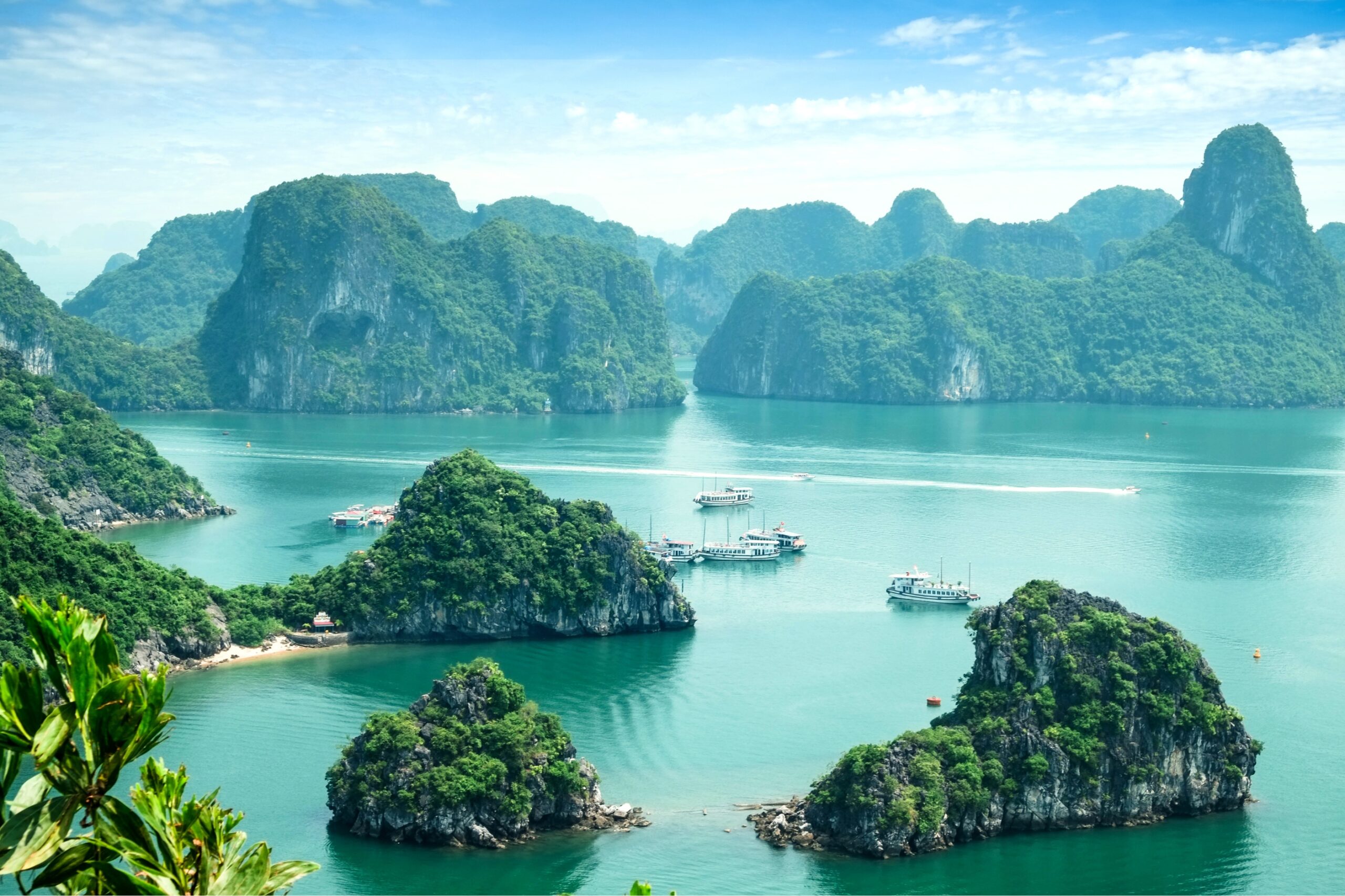
Ha Long Bay cruises are among the most famous experiences in Vietnam. Prices vary significantly depending on whether you choose a day trip or an overnight luxury cruise. Travelers on tight budgets can still enjoy the bay without spending excessively by choosing shared tours.
Many of Vietnam’s greatest attractions, including beaches, mountain views, rice terraces, and bustling markets, can be enjoyed for free. Nature itself provides some of the country’s most memorable experiences.
How to Save Money While Traveling in Vietnam
Traveling cheaply in Vietnam isn’t difficult, but a few strategies can stretch your budget even further. One of the best ways to save money is by eating local food. Street vendors and small restaurants often serve dishes that are both cheaper and more authentic than tourist-oriented establishments.
Using public transportation and ride-hailing apps instead of traditional taxis can also reduce costs. Grab, in particular, provides transparent pricing and helps travelers avoid overcharging. Sleeper buses are another excellent option for long journeys because they combine transportation and accommodation in one expense.
Booking flights and hotels early can lead to substantial savings. Prices often rise during holidays such as Tet, Vietnam’s Lunar New Year celebration, when domestic tourism increases dramatically. Avoiding peak periods allows travelers to secure better deals.
Negotiating prices in markets is common practice in Vietnam. While bargaining should always remain respectful, travelers can often save money on souvenirs and local goods. Learning a few Vietnamese phrases can also enhance interactions and sometimes lead to better prices.
Best Budget-Friendly Destinations in Vietnam
Some areas of Vietnam are especially appealing to travelers looking to maximize value. Hanoi offers an incredible mix of history, street food, and affordable accommodations. The city’s Old Quarter provides endless opportunities for exploration without requiring a large budget.
Ninh Binh has become increasingly popular because of its breathtaking limestone landscapes and relatively low prices. Boat rides through Tam Coc and Trang An provide unforgettable experiences at modest costs.
Hoi An combines charm, culture, and affordability. Its lantern-filled streets, beaches, and local cuisine make it one of Vietnam’s most beloved destinations. Da Nang offers excellent beaches and modern amenities while remaining cheaper than many comparable coastal cities around the world.
The northern regions around Sapa and Ha Giang attract adventurous travelers seeking spectacular mountain scenery. Renting a motorbike and exploring these regions independently can create unforgettable memories without excessive spending.
Is Vietnam Expensive in 2026?
For most international visitors, Vietnam remains remarkably affordable in 2026. Rising tourism and economic growth have increased prices slightly over the years, but the country still provides outstanding value compared with many destinations worldwide. Travelers can experience rich culture, diverse landscapes, delicious cuisine, and comfortable accommodations without spending enormous amounts of money.
The beauty of Vietnam lies in its flexibility. Backpackers can travel for less than $30 a day, while luxury travelers can enjoy five-star experiences at prices that seem incredibly reasonable. This balance between affordability and quality explains why Vietnam continues to rank among the world’s favorite destinations for budget-conscious travelers.
Conclusion
Vietnam continues to stand out as one of the best destinations for travelers who want extraordinary experiences without extraordinary costs. Whether you’re enjoying street food in Hanoi, sailing through Ha Long Bay, wandering the lantern-lit streets of Hoi An, or relaxing on the beaches of Da Nang, the country offers remarkable value for every dollar spent.
With careful planning, smart transportation choices, and a willingness to embrace local culture, traveling cheaply in Vietnam in 2026 is entirely possible. From backpackers to luxury vacationers, everyone can find a travel style that suits their budget while creating memories that last a lifetime.
Frequently Asked Questions
1. How much money do I need for two weeks in Vietnam?
Budget travelers can spend around $300–$500, while mid-range travelers should budget $700–$1,400 for two weeks.
2. Is Vietnam cheaper than Thailand?
Yes, Vietnam is generally cheaper than Thailand in terms of accommodation, food, and transportation.
3. Can I travel Vietnam with $1,000?
Absolutely. A budget traveler can comfortably spend three to four weeks in Vietnam with $1,000.
4. What is the cheapest month to visit Vietnam?
September, October, and May often offer lower airfare and accommodation prices compared with peak tourist seasons.
5. Is street food safe in Vietnam?
Yes, street food is generally safe when purchased from busy vendors with high customer turnover and good hygiene practices.
Leave a Reply