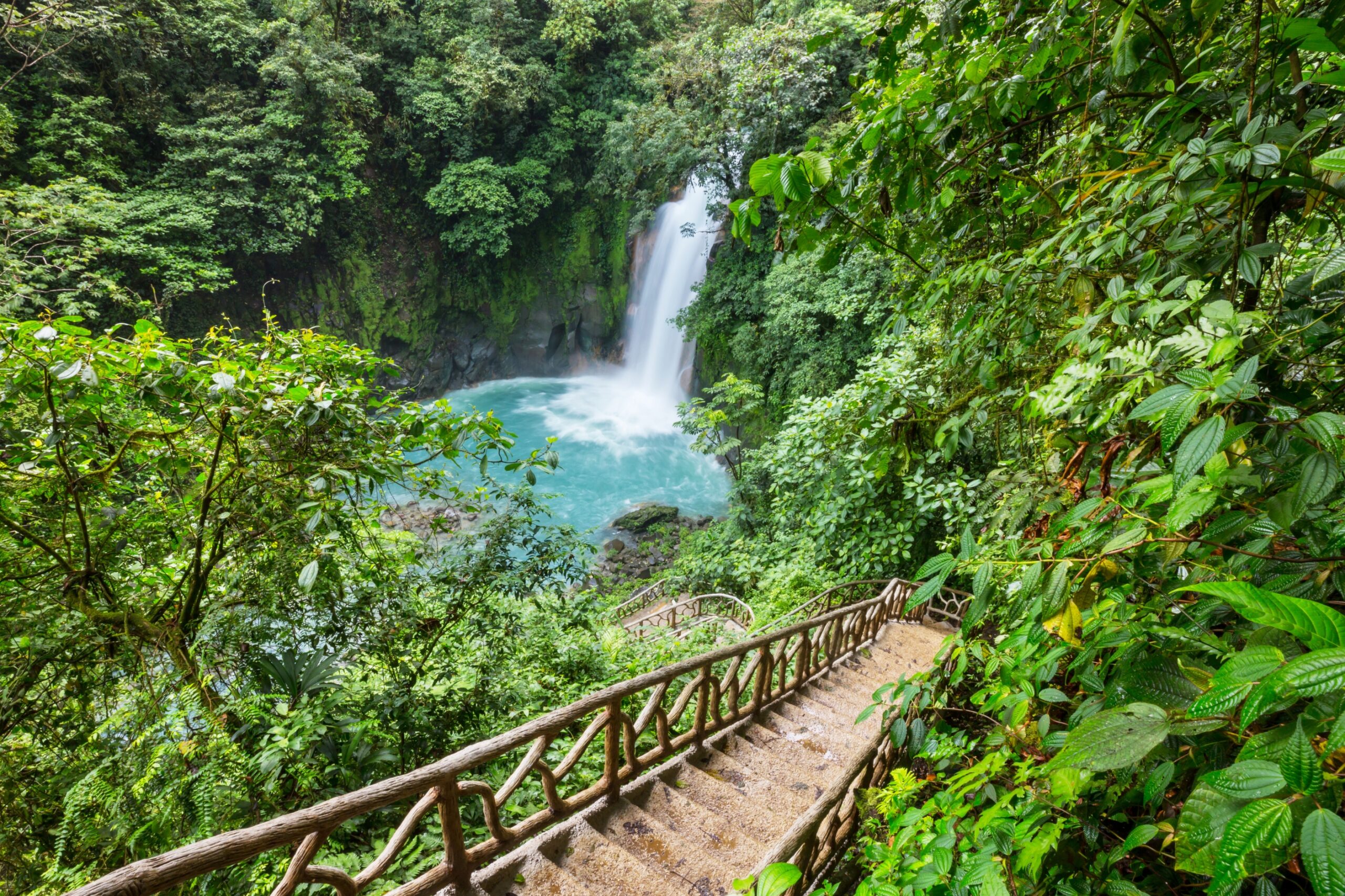
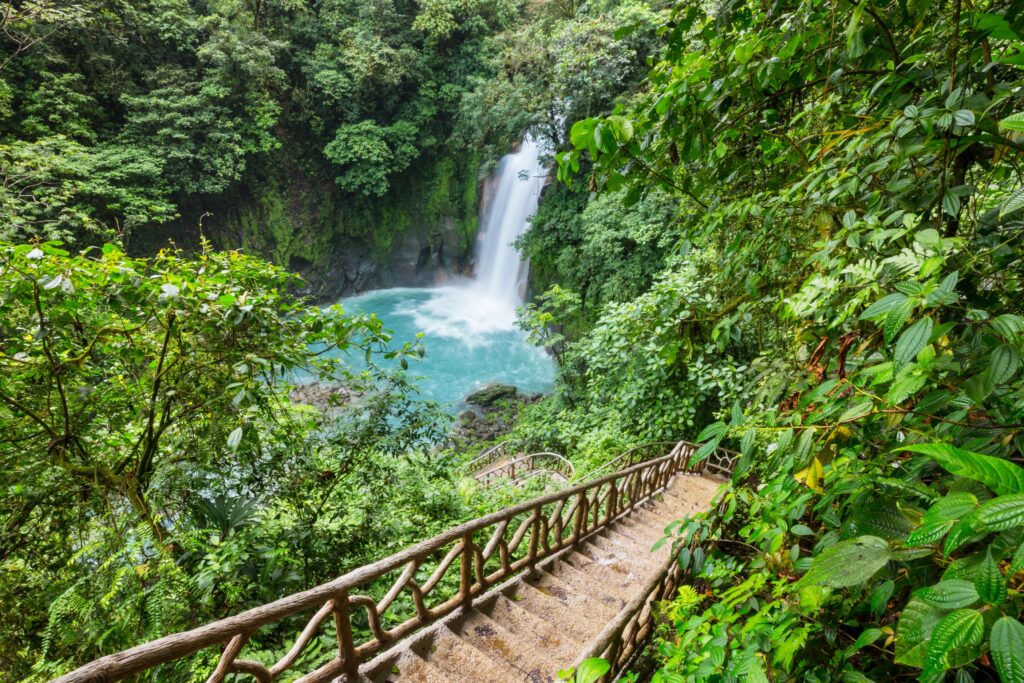
Eco-Tourism in Costa Rica: The Ultimate Sustainable Travel Guide
Costa Rica has become one of the world’s leading destinations for eco-tourism, attracting millions of travelers who want to experience breathtaking landscapes while supporting sustainable practices. Despite occupying less than 0.03% of the Earth’s surface, this small Central American country is home to nearly 6% of the planet’s biodiversity. From lush rainforests and volcanic mountains to pristine beaches and exotic wildlife, Costa Rica offers an extraordinary opportunity to connect with nature while minimizing environmental impact.
If you’re looking for a destination where conservation and adventure go hand in hand, Costa Rica deserves a place at the top of your travel list. This ultimate sustainable travel guide will help you discover the best eco-friendly experiences, responsible accommodations, and practical tips for traveling sustainably in Costa Rica.
Why Costa Rica Is a Global Leader in Eco-Tourism
Costa Rica has built its reputation on conservation and environmental responsibility. More than a quarter of the country’s land is protected through national parks, biological reserves, and wildlife refuges. Unlike many countries that prioritize industrial development, Costa Rica has invested heavily in preserving its natural resources and promoting sustainable tourism.
The country’s commitment to renewable energy is equally impressive. A significant percentage of Costa Rica’s electricity comes from renewable sources such as hydroelectric, wind, solar, and geothermal power. This dedication to sustainability has made the country a model for environmentally conscious travel.
Visitors quickly notice that Costa Rica’s philosophy extends beyond government policies. Local communities, hotels, tour operators, and businesses actively participate in protecting ecosystems and supporting wildlife conservation. This collective effort has transformed Costa Rica into one of the most environmentally friendly destinations in the world.
The Incredible Biodiversity of Costa Rica
One of the biggest reasons travelers choose Costa Rica is its astonishing biodiversity. The country hosts thousands of plant and animal species, many of which cannot be found anywhere else. Dense rainforests, cloud forests, wetlands, mangroves, and marine ecosystems provide habitats for an incredible variety of wildlife.
Nature lovers have the opportunity to encounter:
- Sloths
- Howler monkeys
- Scarlet macaws
- Sea turtles
- Toucans
- Jaguars
- Poison dart frogs
- Hummingbirds
Birdwatchers are especially drawn to Costa Rica because the country boasts more than 900 bird species. Whether you’re hiking through Monteverde Cloud Forest or exploring Corcovado National Park, every journey feels like stepping into a living documentary.
This rich biodiversity is one of the key reasons why responsible tourism plays such an important role. Sustainable travel practices help preserve these fragile ecosystems for future generations.
Best National Parks for Eco-Tourism
Corcovado National Park
Located on the Osa Peninsula, Corcovado National Park is often described as one of the most biologically intense places on Earth. Covering vast stretches of rainforest, the park shelters endangered species and pristine habitats that remain largely untouched.
Visitors can experience:
- Guided wildlife hikes
- Birdwatching tours
- River crossings
- Beach exploration
- Overnight eco-lodges
Corcovado offers one of the most authentic wilderness experiences in Central America and is a paradise for serious nature enthusiasts.
Tortuguero National Park
Known as Costa Rica’s “Amazon,” Tortuguero National Park consists of canals, lagoons, and tropical forests accessible primarily by boat. It is one of the most important nesting sites for sea turtles in the Western Hemisphere.
Highlights include:
- Turtle nesting tours
- Kayaking through jungle canals
- Wildlife spotting
- Birdwatching
- Rainforest excursions
The area supports numerous conservation programs that help protect endangered marine species.
Manuel Antonio National Park
Despite being one of the country’s smallest national parks, Manuel Antonio is among the most visited due to its combination of beaches and rainforest ecosystems.
Travelers can enjoy:
- White-sand beaches
- Nature trails
- Monkey sightings
- Snorkeling
- Coastal scenery
Its accessibility and abundant wildlife make it ideal for first-time visitors to Costa Rica.
Monteverde Cloud Forest Reserve
Monteverde’s mystical cloud forests are famous for their unique ecosystems and extraordinary biodiversity. Mist-covered trees and hanging bridges create an unforgettable atmosphere.
Popular activities include:
- Ziplining adventures
- Guided night walks
- Canopy tours
- Birdwatching
- Butterfly gardens
The reserve serves as an excellent example of community-led conservation and sustainable tourism.
Sustainable Wildlife Experiences
Wildlife encounters are among Costa Rica’s greatest attractions, but responsible tourism is essential for protecting animals and their habitats. Ethical wildlife experiences prioritize observation over interaction and avoid activities that exploit animals for entertainment.
Some of the best sustainable wildlife experiences include:
Sea Turtle Conservation Tours
Several coastal communities organize turtle-watching programs that allow visitors to witness nesting sea turtles without disturbing them. These tours contribute directly to conservation efforts and local economies.
Whale and Dolphin Watching
The Pacific coast offers excellent opportunities to observe humpback whales and dolphins in their natural environment. Responsible operators maintain safe distances and follow strict environmental guidelines.
Sloth Sanctuaries
Educational sanctuaries provide care for injured or orphaned sloths while raising awareness about habitat preservation. These facilities focus on rehabilitation rather than commercial entertainment.
By choosing ethical operators, travelers help support conservation initiatives and ensure wildlife remains protected.
Eco-Friendly Accommodation in Costa Rica
Costa Rica offers a wide range of environmentally responsible accommodations, from luxury eco-resorts to rustic jungle lodges. Many properties operate under the country’s Certification for Sustainable Tourism (CST) program, which evaluates businesses based on environmental and social responsibility.
Features commonly found in eco-lodges include:
- Solar energy systems
- Water conservation programs
- Organic gardens
- Waste reduction practices
- Locally sourced food
- Community involvement
Some well-known eco-friendly regions include:
| Region | Popular Eco Experiences |
|---|---|
| Osa Peninsula | Rainforest Lodges |
| Monteverde | Cloud Forest Cabins |
| Arenal | Sustainable Resorts |
| Guanacaste | Beach Eco-Hotels |
| Tortuguero | Jungle Retreats |
Staying in certified eco-accommodations allows travelers to minimize their environmental footprint while supporting local communities.
Adventure Activities with Minimal Environmental Impact
Costa Rica is a dream destination for adventure lovers. Fortunately, many outdoor activities are designed to coexist with conservation efforts.
Hiking
Thousands of miles of trails pass through protected forests, volcanoes, and coastal ecosystems. Hiking allows travelers to experience nature without causing significant environmental disruption.
Kayaking
Exploring mangroves, rivers, and coastal waters by kayak provides a quiet and sustainable way to observe wildlife.
Birdwatching
Costa Rica’s incredible avian diversity makes birdwatching one of the country’s most rewarding low-impact activities.
Cycling
Many regions encourage cycling as an eco-friendly method of transportation and exploration.
Sustainable Surfing
Several beach communities promote ocean conservation while offering world-class surfing conditions.
These activities allow visitors to experience the country’s beauty while preserving natural resources.
Supporting Local Communities
Sustainable travel goes beyond protecting wildlife and ecosystems. It also involves supporting the people who call these regions home. Community-based tourism provides economic opportunities while preserving local traditions and cultural heritage.
Travelers can make a positive impact by:
- Purchasing handmade crafts.
- Eating at family-owned restaurants.
- Hiring local guides.
- Participating in cultural experiences.
- Staying in locally operated accommodations.
Many rural communities rely heavily on tourism revenue. Choosing local businesses helps distribute economic benefits more fairly and strengthens conservation efforts.
Practical Tips for Sustainable Travel in Costa Rica
Traveling responsibly requires thoughtful choices. Fortunately, small actions can make a big difference.
Reduce Plastic Waste
Bring reusable water bottles, shopping bags, and containers to minimize single-use plastics.
Respect Wildlife
Maintain safe distances and avoid feeding animals. Human interaction can negatively affect natural behavior.
Stay on Designated Trails
Remaining on marked paths protects fragile ecosystems and reduces habitat destruction.
Use Reef-Safe Sunscreen
Traditional sunscreens may contain chemicals harmful to marine life. Reef-safe products help preserve coral ecosystems.
Conserve Water and Energy
Even eco-lodges appreciate guests who use resources responsibly.
Travel During Shoulder Seasons
Visiting outside peak periods helps reduce overcrowding and eases pressure on popular destinations.
These simple habits contribute significantly to preserving Costa Rica’s natural treasures.
Best Time to Visit Costa Rica for Eco-Tourism
Costa Rica’s climate varies depending on the region, but generally, the dry season runs from December to April, while the rainy season extends from May to November.
The green season offers several advantages for eco-tourists:
- Fewer crowds
- Lower prices
- Lush landscapes
- Active wildlife
- Better opportunities for photography
Sea turtle nesting seasons vary depending on species and location, making it worthwhile to research specific wildlife events before planning your trip.
Regardless of the season, Costa Rica offers remarkable opportunities for nature lovers throughout the year.
Why Eco-Tourism Matters
Eco-tourism represents much more than a travel trend. It provides a framework for balancing economic growth with environmental protection. Costa Rica has demonstrated that tourism can become a powerful tool for conservation when managed responsibly.
Revenue generated through sustainable tourism helps fund national parks, wildlife research, habitat restoration, and community development projects. By making conscious travel choices, visitors contribute directly to preserving one of the world’s richest natural environments.
Travelers increasingly seek meaningful experiences rather than simply checking destinations off a list. Costa Rica offers exactly that—a chance to immerse yourself in nature while becoming part of a larger effort to protect the planet.
Conclusion
Costa Rica stands as one of the finest examples of how tourism and conservation can work together. Its spectacular biodiversity, extensive network of protected areas, and strong commitment to sustainability have made it a global leader in eco-tourism. Whether you’re trekking through cloud forests, observing sea turtles, kayaking through mangroves, or relaxing in an eco-lodge, every experience offers an opportunity to connect with nature responsibly.
By supporting local communities, choosing environmentally friendly accommodations, and practicing responsible travel habits, visitors can help ensure that Costa Rica’s incredible ecosystems remain thriving for generations to come. For travelers seeking adventure, wildlife, and sustainability in perfect harmony, Costa Rica truly represents one of the world’s ultimate eco-tourism destinations.
Frequently Asked Questions
1. Why is Costa Rica famous for eco-tourism?
Costa Rica is known for its extensive protected areas, incredible biodiversity, renewable energy initiatives, and strong commitment to sustainable tourism practices.
2. What is the best national park for wildlife in Costa Rica?
Corcovado National Park is considered one of the best places for wildlife viewing due to its extraordinary biodiversity and pristine rainforest ecosystems.
3. Are eco-lodges expensive in Costa Rica?
Prices vary widely. Travelers can find budget-friendly eco-lodges as well as luxury sustainable resorts depending on their preferences and budget.
4. What is the best time to visit Costa Rica for eco-tourism?
The dry season from December to April is popular, but the green season from May to November offers fewer crowds and lush landscapes.
5. How can travelers reduce their environmental impact in Costa Rica?
Using reusable products, staying in certified eco-lodges, respecting wildlife, conserving resources, and supporting local businesses are excellent ways to travel sustainably.
Leave a Reply